
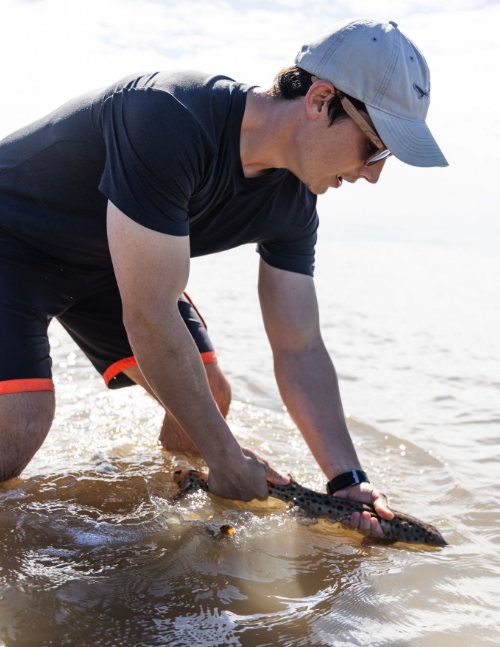
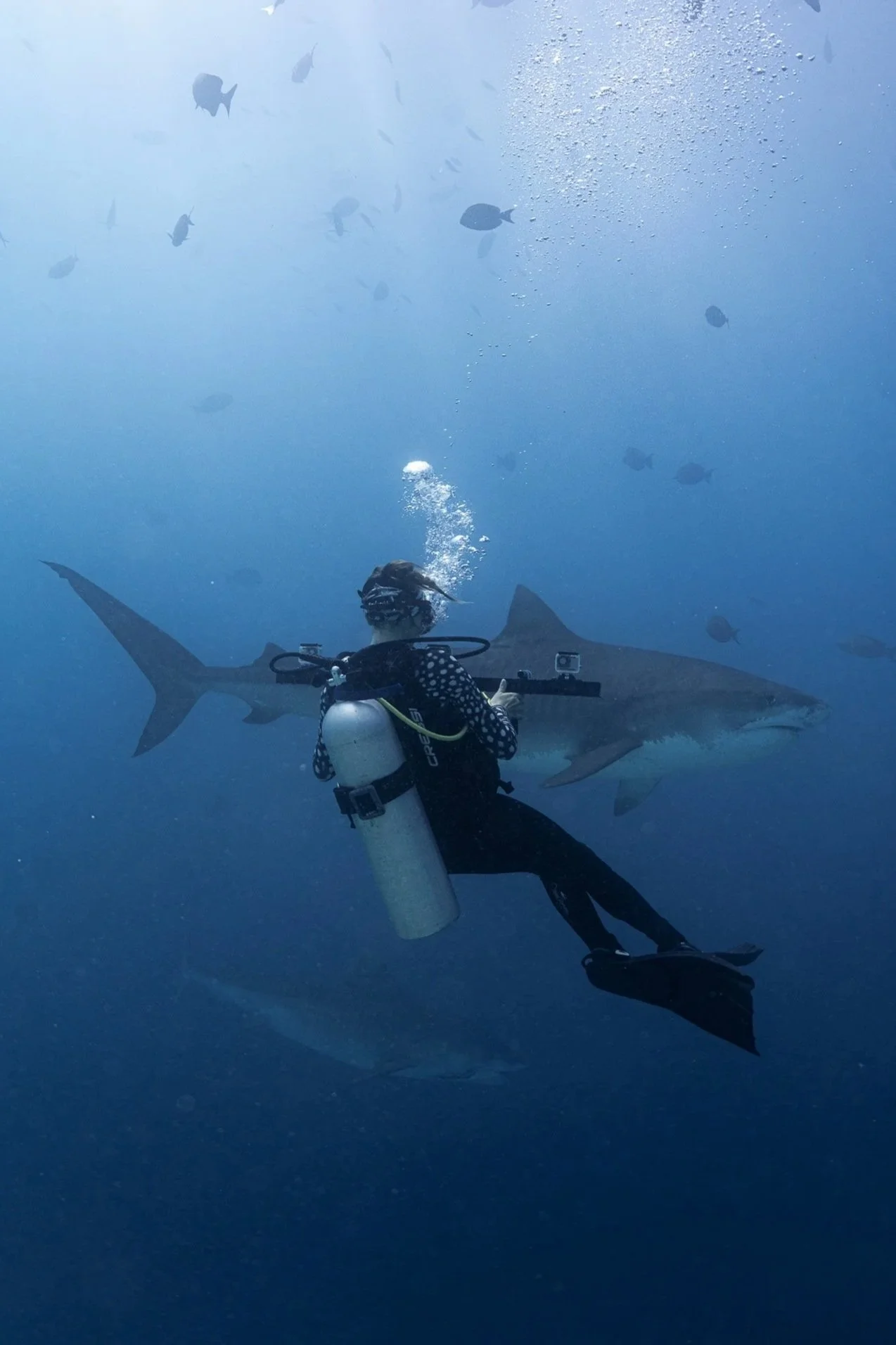
Photo: Luca Hoffecker
FINstitute Member
Opportunities
From international shark expeditions to internships and research opportunities, all membership perks can be found here!
EXPEDITION 4
ON SALE MAY 1st 9 am SYD
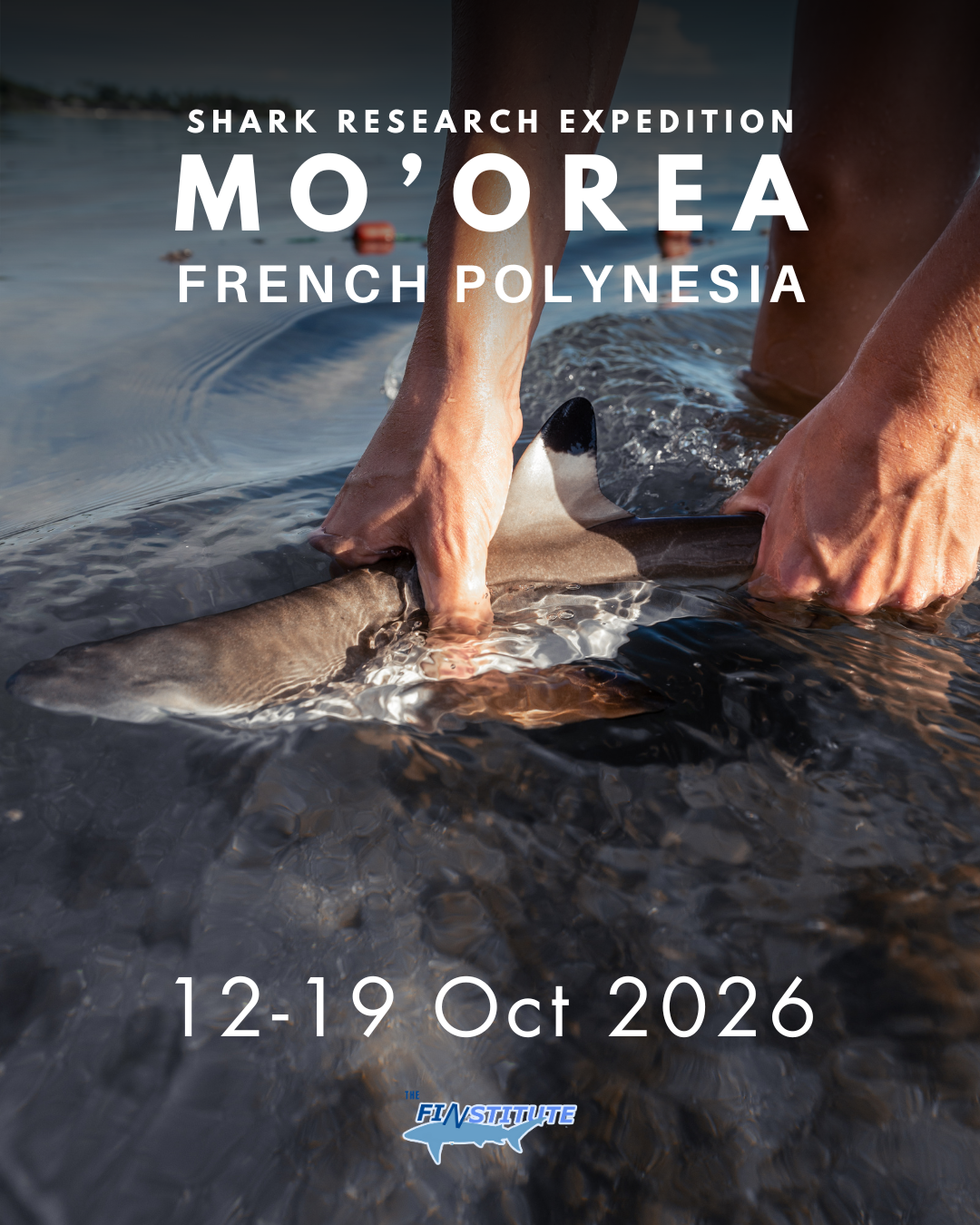
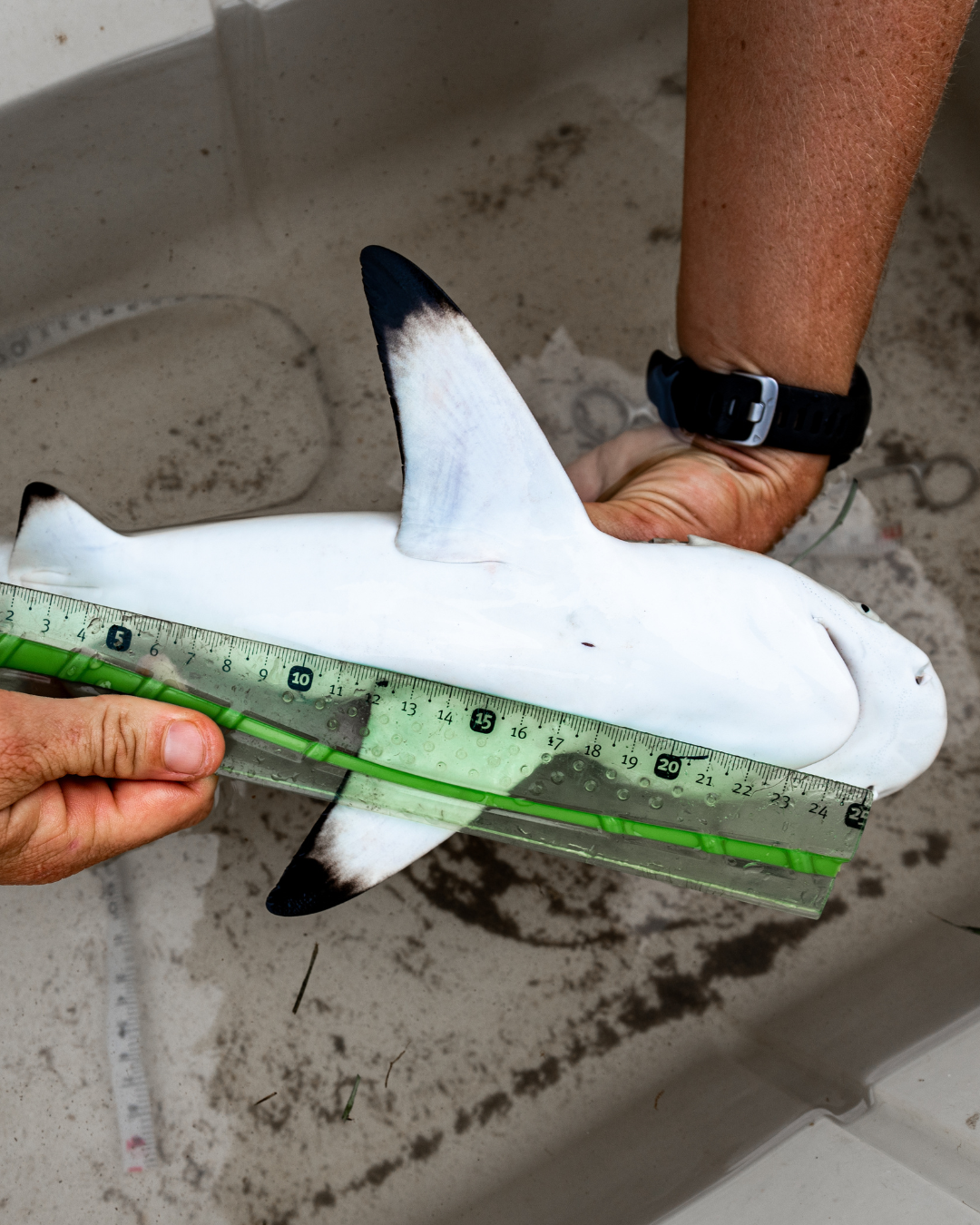
MO’OREA, French Polynesia- Baby Black Tip Reef Shark Research Trip
Must be a FINstitute member to access the booking page for this trip
(MEMBER OPPORTUNITIES > EXPEDITIONS > TICKETS)
Make sure to sign up before tickets go on sale to make sure you don’t miss out!
-
Accommodation (7 nights) - single/double beds
Science workshops & hands-on training with experts
Collaboration with local scientists and operators
Rental car and group driver
Professional photo package
Extra charges: Diving, boat rentals, kayaking or paddle boarding
-
Photo ID & social network studies of black tip reef sharks
Research and sampling methods used to study black tip reef sharks
Classes on shark ecology & research methods with guest talks from some other epic organizations
-
$1650 USD
-
No — this trip is designed as a field research experience. If you would like to organise scuba diving in your free time, you are welcome to do so but we will not be offering it.
-
No! Absolutely all are welcome (18+ or with a parent or guardian). Shark science is for everyone and this experience will be very hands on. It is a great opportunity if you are a student interested in pursuing shark science or if you are just someone is who is curious about what field research looks like:)
Trip Snapshot
Dates: 12–19 October 2026
Location: Moorea, French Polynesia
Focus: Juvenile black tip reef shark sampling + conservation methods
Who Can Join: FINstitute members, 18+
Cost: $1650 USD
Join The FINstitute for an 9-day Black Tip Reef Shark Research Expedition on the beautiful island of Mo’orea, French Polynesia…
You will be contributing directly to ongoing research done through the Physioshark project. Here is a bit about the project from the Physioshark website:
The Physioshark project, led by Dr. Jodie Rummer from James Cook University in Australia, investigates how climate change impacts the physiology of newborn and juvenile reef sharks. Sharks that are born today represent adult shark populations of the future. Understanding how human and environmental impacts affect these sharks is crucial knowledge for developing effective shark conservation strategies.
The fieldwork is based at the CRIOBE Research Center on Mo’orea, French Polynesia. The project investigates the physiological energetics (i.e., costs/benefits) of newborn blacktip reef and sicklefin lemon sharks living in the 11 potential nursery areas identified around the island. For instance, the research team is investigating how well newborn sharks cope with hot water temperatures in these nurseries and how the cost of growing up in these nurseries will change with increased human disturbances like coastal development and climate change.
While French Polynesia is a protected shark sanctuary, there is a need to address the sharks' physiological tolerance to the environmental conditions of their nurseries that will likely become more severe as climate change progresses. Decreases in physiological performance may translate to decreases in fitness.
EXPEDITION 3
ON SALE NOW
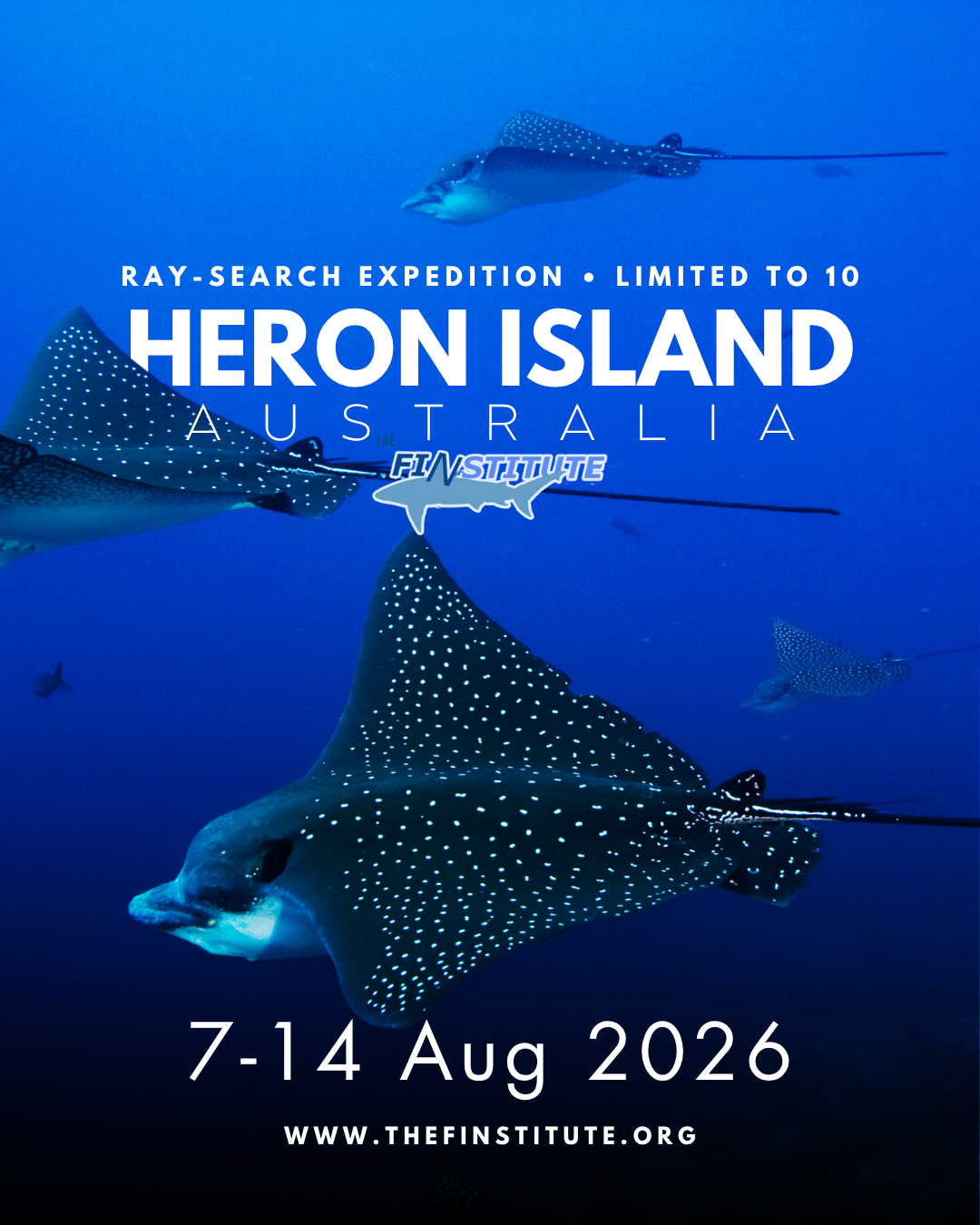
HERON ISLAND, AUSTRALIA - Ray-search expedition
Trip Snapshot
Dates: August 7–14, 2026 (8 days / 7 nights)
Location: Heron Island, Great Barrier Reef, Australia
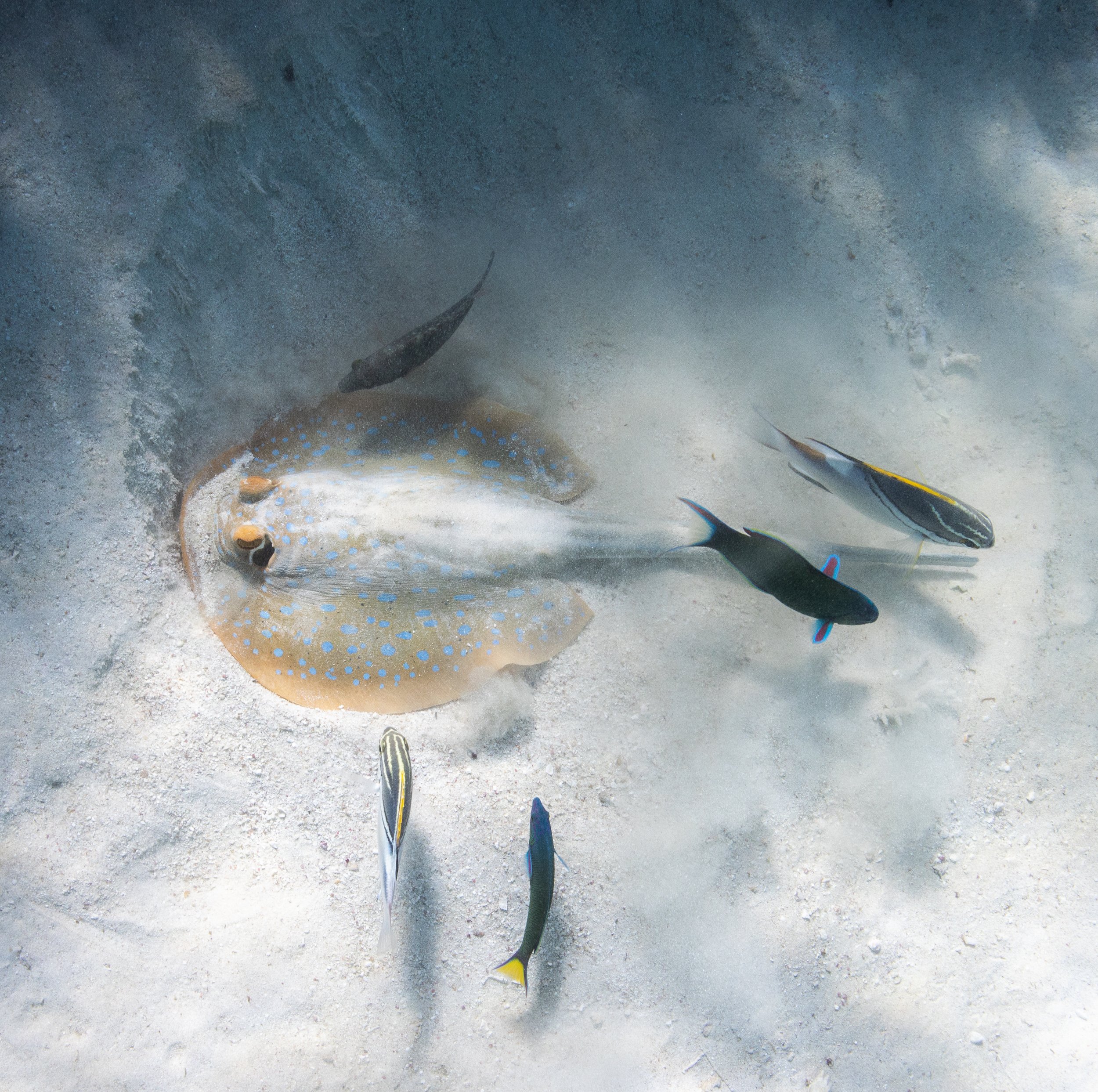
Focus: Ray ecology, behaviour, and species diversity
Who Can Join: FINstitute members, students, early-career researchers, and ocean enthusiasts (no scuba certification required)
Group Size: Limited to 12 participants
Cost: $2,150 USD
-
Accommodation at Heron Island Research Station (7 nights, bunk-style student housing)
Round-trip ferry transfers from Gladstone to Heron Island
All meals (breakfast, lunch, dinner)
Daily snorkelling/freediviing sessions across reef flat, lagoon, and reef slope habitats (freediving only available to certified freedivers)
Expert-led talks and species deep dives with two ray scientists
Introduction to research techniques used to study rays
Night time reef walks/snorkels with ecological interpretation
Underwater photography + visual data collection training
FINstitute media session + access to professional photo/video content
Access to HIRS facilities (labs, classrooms, aquaria, common areas)
Sunset cruise on final night
-
How scientists study rays in the wild
How to identify and compare multiple ray species
Ray behaviour, movement patterns, and habitat use
How underwater photography can support species identification and data collection
Contribute imagery to global fish biodiversity databases (REEF program)
Underwater photography and Lightroom editing workshop with Adobe tutorial instructor Aliah Banchik
Behind-the-scenes access to a working research station
-
$2150 USD
-
No — this trip is designed as a snorkel or freediving trip depending on your certification level. If you wish to freedive with dive weights, Heron Island Research Station requires you to have a freediving certification. If you would like to organise scuba diving in your free time, you are welcome to do so but we will not be offering it.
-
You will need to fly into Gladstone and stay the night before your scheduled ferry ride. This is not organised or included in the ticket price so make sure you book this along with your flights to make sure you don’t miss your ferry! Missed ferries will be an incurred charge payable by the participant.
Join The FINstitute for an 8-day Ray-Search Expedition on Heron Island — a remote coral cay on the Great Barrier Reef known for its extraordinary ray diversity.
Most expeditions focus on sharks.
This one doesn’t.
Built entirely around rays, this experience is led by two ray scientists and designed to give you a deeper understanding of the animals that quietly shape reef ecosystems.
Over the course of the week, you’ll explore how rays are studied, how they move through reef systems, and why they matter — all while encountering some of the most unique and intersting ray species in the world.
With daily snorkel/freediving (depending on certification) sessions, species deep dives each evening, night time reeg walks, and an introduction to underwater photography and visual data collection, this is a different way to experience the reef — slower, more intentional, and grounded in real science.
EXPEDITION 2
4 spots remaining!
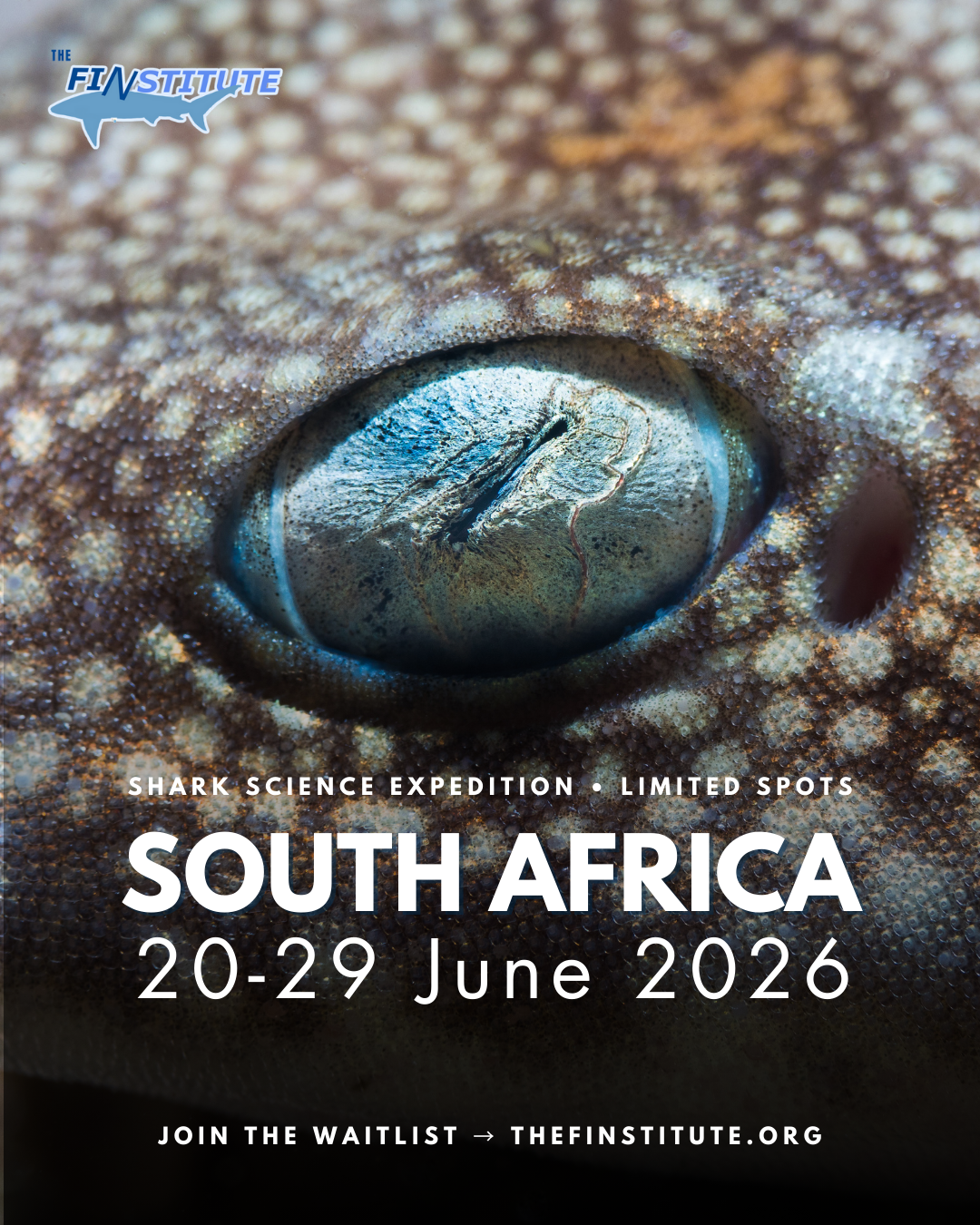
CAPE TOWN SOUTH AFRICA— But make it Shysharks!
Must be a FINstitute member to access this and future trips. Make sure to sign up before tickets go on sale to make sure you don’t miss out!
Endemic Shyshark Experience
Cape Town, South Africa | 10 Days | Shark Science, Conservation & Diving
Join The FINstitute for an immersive field expedition in Cape Town focused on shark science, conservation, and hands-on research in one of the most biodiverse marine ecosystems on Earth.
This is not a dive holiday.
This is a working expedition…ok…and also a holiday!
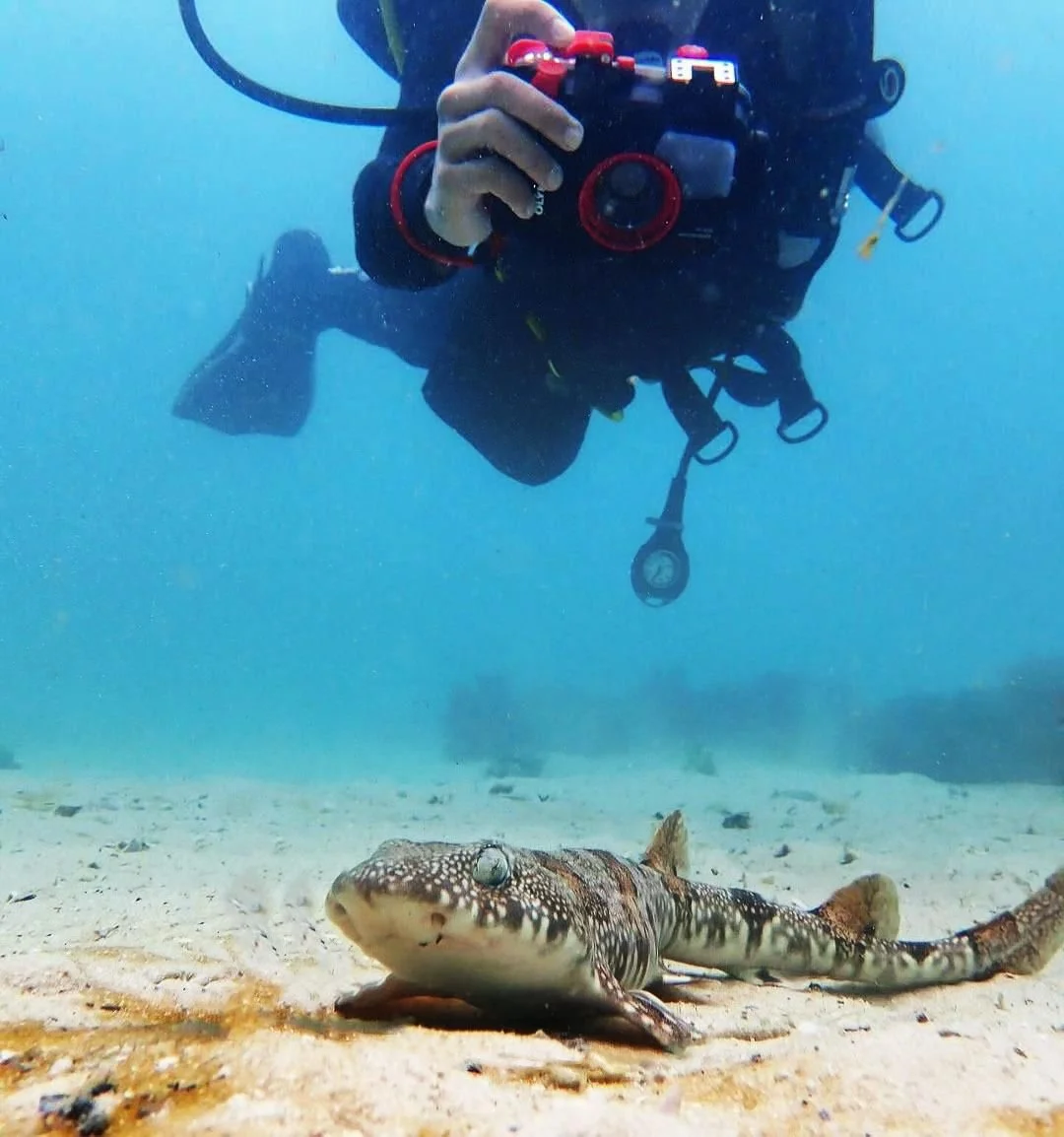
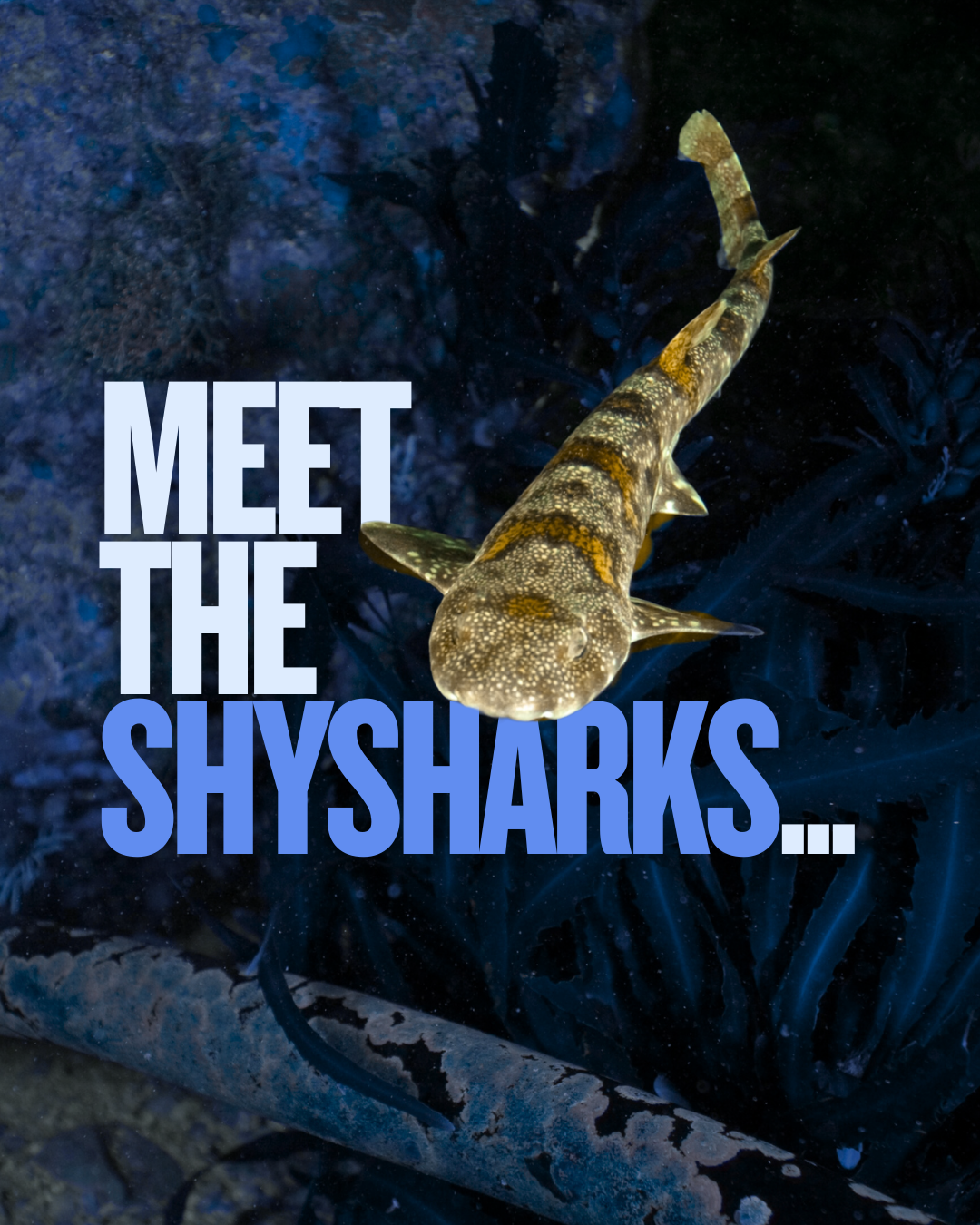
You’ll live, dive, learn, and contribute alongside marine scientists while exploring South Africa’s extraordinary endemic shyshark diversity — including species found nowhere else in the world.
Why South Africa?
South Africa is a global hotspot for shark diversity but let’s be honest…the first shark we think of when we hear “South Africa” is teh great white shark….While these sharks are AMAZING, this is only half the story!!! Among the most fascinating residents of South Africa, are the shysharks! Which are a type of catshark which is the largest shark family on the planet!!
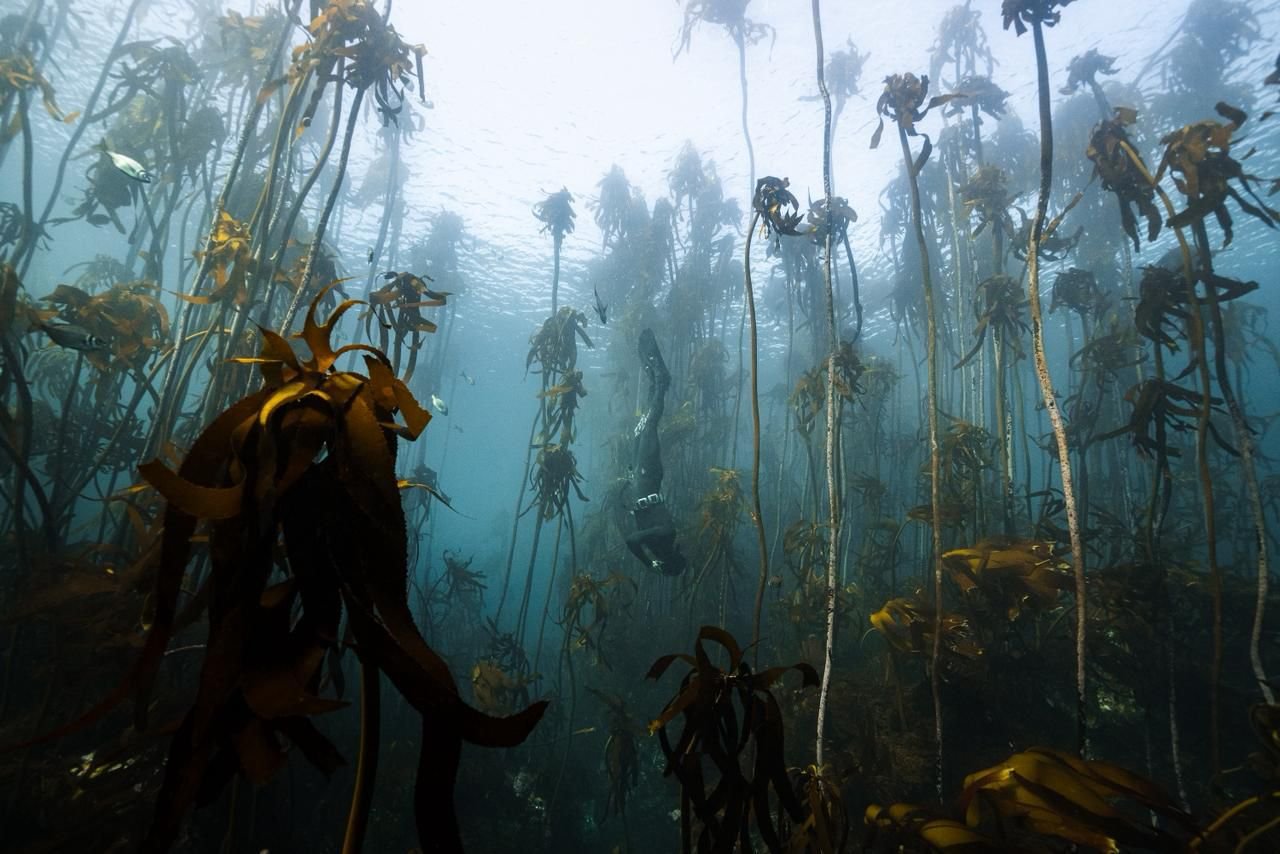
With over 100 species worldwide — and multiple species endemic to South Africa — these small, patterned sharks play an important ecological role in temperate reef and kelp forest ecosystems.
During this expedition, you’ll work within the Great African Seaforest and surrounding coastal habitats, contributing to real conservation initiatives while building practical field skills in shark research.
What Makes This Experience Different?
Real Shark Science
Participants contribute to active research projects including:
Photo ID and population monitoring
Fin spotting and species identification
Shyshark egg case collection and analysis
Data entry for reproductive success projects
Marine species identification workshops
You won’t just observe research — you’ll be part of it.
Learn From Experts
The program includes dynamic workshops, guest speakers, and lectures led by experienced marine scientists and conservation professionals. Topics range from shark behavior and physiology to ecology, climate impacts, and biodiversity in South African waters.
Dive With Purpose
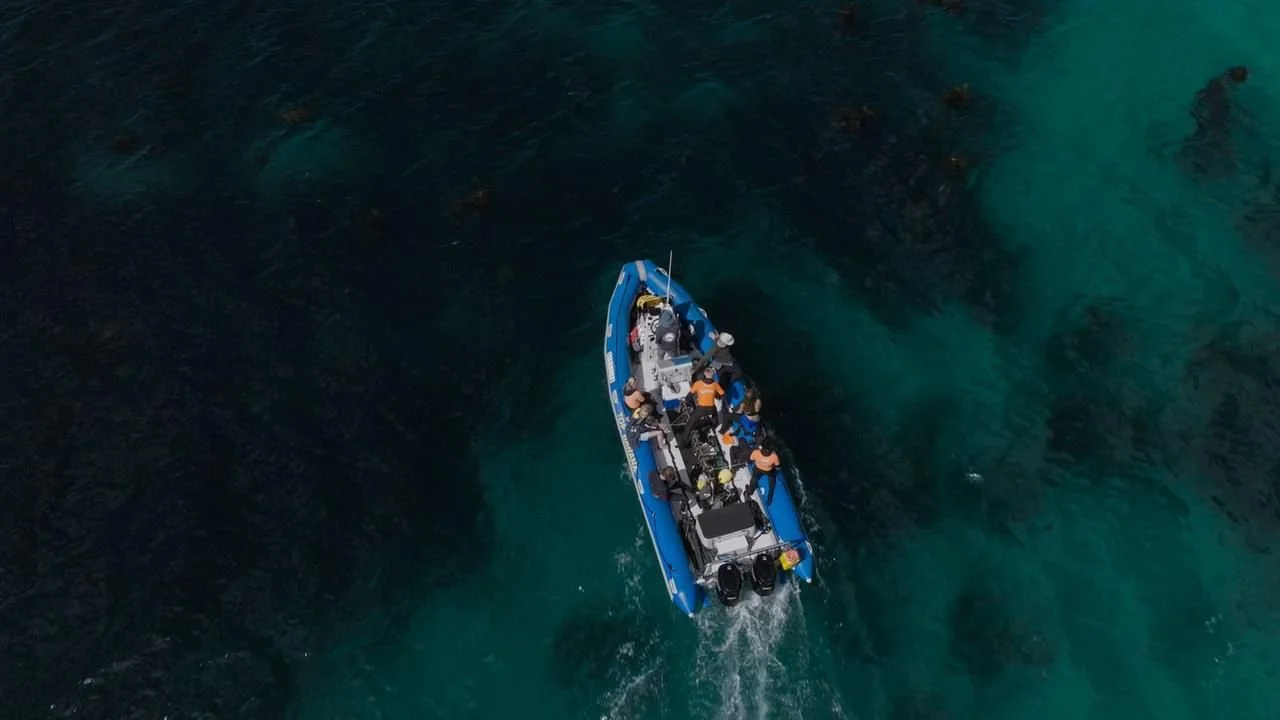
Multiple boat-based SCUBA dives are built into the experience, focused on scientific data collection and ecosystem observation.
This program is designed for certified divers who want to deepen their understanding of marine research while sharpening field skills.
Explore Cape Town
Beyond the water, you’ll experience the best of the region — from the iconic Table Mountain and Cape Point Nature Reserve to African penguins at Boulders Beach and the vibrant cultural history of Cape Town
-
Participants are based in Glencairn, Cape Town, in shared dormitory-style accommodation.
Breakfast, lunch, and dinner are provided throughout the program. The accommodation is centrally located to research sites and scheduled activities, with transport provided for all official programming.
-
9 nights shared accommodation
Daily meals (breakfast, lunch, dinner)
SCUBA dives as part of the research itinerary
Dive equipment
Transport for scheduled activities
Workshops, lectures, and guest speakers
Cape Town exploration days
Cape Point Nature Reserve visits
Exclusive expedition merchandise
-
International flights and visa (if required)
Travel and dive insurance (mandatory)
Airport transfers
Optional activities outside the program
Additional meals/snacks outside scheduled catering
Extra dives or specialty gear rentals (e.g., cameras, torches, dive computers)
-
This expedition is designed for motivated, open-minded participants who are ready to contribute meaningfully.
You must:
Be 17 years or older
Hold an Open Water SCUBA certification (or higher)
Be comfortable swimming, walking daily distances, and working on small boats
Commit to the full program duration
Have travel and dive insurance
Be willing to participate in research activities and team responsibilities
This is a collaborative, team-based experience. Flexibility and a strong work ethic are essential.
-
We work closely with local scientists and communities. Participants are expected to:
Respect the local culture and environment
Follow the buddy system
Represent Cape RADD and The FINstitute professionally
Prioritise personal health and safety
Comply with all local laws and regulations
Cape Town is an incredible city, but like any major destination, situational awareness and responsible travel practices are important.
-
Participants have the option to extend their stay and complete an additional course with Cape RADD at a discounted rate. Details are shared upon confirmation.
-
This expedition is ideal for:
Marine biology students
Early-career conservationists
Divers wanting field research experience
Shark and ray enthusiasts from ALL wakes of life!
Anyone considering a career in marine science
If you want to build real skills, expand your global network, and contribute to shark conservation in a meaningful way — this is for you.
Upcoming Experiences
June 20-29, 2026
Endemic Shyshark Experience
Cape Town, South Africa | 10 Days | Shark Science, Conservation & Diving
Join The FINstitute for an immersive field expedition in Cape Town focused on shark science, conservation, and hands-on research in one of the most biodiverse marine ecosystems on Earth.
This is not a dive holiday.
This is a working expedition…ok…and also a holiday!
You’ll live, dive, learn, and contribute alongside marine scientists while exploring South Africa’s extraordinary endemic shyshark diversity — including species found nowhere else in the world.
Why South Africa?
South Africa is a global hotspot for shark diversity but let’s be honest…the first shark we think of when we hear “South Africa” is teh great white shark….While these sharks are AMAZING, this is only half the story!!! Among the most fascinating residents of South Africa, are the shysharks! Which are a type of catshark which is the largest shark family on the planet!!
With over 100 species worldwide — and multiple species endemic to South Africa — these small, patterned sharks play an important ecological role in temperate reef and kelp forest ecosystems.
During this expedition, you’ll work within the Great African Seaforest and surrounding coastal habitats, contributing to real conservation initiatives while building practical field skills in shark research.
What Makes This Experience Different?
Real Shark Science
Participants contribute to active research projects including:
Photo ID and population monitoring
Fin spotting and species identification
Shyshark egg case collection and analysis
Data entry for reproductive success projects
Marine species identification workshops
You won’t just observe research — you’ll be part of it.
Learn From Experts
The program includes dynamic workshops, guest speakers, and lectures led by experienced marine scientists and conservation professionals. Topics range from shark behavior and physiology to ecology, climate impacts, and biodiversity in South African waters.
Dive With Purpose
Multiple boat-based SCUBA dives are built into the experience, focused on scientific data collection and ecosystem observation.
This program is designed for certified divers who want to deepen their understanding of marine research while sharpening field skills.
Explore Cape Town
Beyond the water, you’ll experience the best of the region — from the iconic Table Mountain and Cape Point Nature Reserve to African penguins at Boulders Beach and the vibrant cultural history of Cape Town.
Where You’ll Stay
Participants are based in Glencairn, Cape Town, in shared dormitory-style accommodation.
Breakfast, lunch, and dinner are provided throughout the program. The accommodation is centrally located to research sites and scheduled activities, with transport provided for all official programming.
What’s Included
9 nights shared accommodation
Daily meals (breakfast, lunch, dinner)
SCUBA dives as part of the research itinerary
Dive equipment
Transport for scheduled activities
Workshops, lectures, and guest speakers
Cape Town exploration days
Cape Point Nature Reserve visits
Exclusive expedition merchandise
What’s Not Included
International flights and visa (if required)
Travel and dive insurance (mandatory)
Airport transfers
Optional activities outside the program
Additional meals/snacks outside scheduled catering
Extra dives or specialty gear rentals (e.g., cameras, torches, dive computers)
Eligibility
This expedition is designed for motivated, open-minded participants who are ready to contribute meaningfully.
You must:
Be 17 years or older
Hold an Open Water SCUBA certification (or higher)
Be comfortable swimming, walking daily distances, and working on small boats
Commit to the full program duration
Have travel and dive insurance
Be willing to participate in research activities and team responsibilities
This is a collaborative, team-based experience. Flexibility and a strong work ethic are essential.
Community & Responsibility
We work closely with local scientists and communities. Participants are expected to:
Respect the local culture and environment
Follow the buddy system
Represent Cape RADD and The FINstitute professionally
Prioritise personal health and safety
Comply with all local laws and regulations
Cape Town is an incredible city, but like any major destination, situational awareness and responsible travel practices are important.
Bonus Opportunity
Participants have the option to extend their stay and complete an additional course with Cape RADD at a discounted rate. Details are shared upon confirmation.
Who This Is For
This expedition is ideal for:
Marine biology students
Early-career conservationists
Divers wanting field research experience
Shark and ray enthusiasts from ALL wakes of life!
Anyone considering a career in marine science
If you want to build real skills, expand your global network, and contribute to shark conservation in a meaningful way — this is for you.
Limited Spots Available
We intentionally keep this expedition small to ensure high-quality mentorship, meaningful research participation, and strong group cohesion.
If you’re ready to step into the field, gain hands-on shark science experience, and explore one of the world’s most iconic marine ecosystems — apply now.
ALSO
The Sardine Run will be in peak swing during this time! SO you can always consider extending your stay to witness the world’s largest marine feeding frenzy if you please! Though this is not amn official part of the FINstitute expedition
More to come soon...