Meeting #34 Cultural Significance of Elasmobranchs in Palawan & PADI Global Shark & Ray Census
To end of the final meeting of 2025, we had Melissa Ciampaglia (@mel_sea_) sharing her experience and lessons, highlighting the importance of people-centric science, adapting research to local contexts, recognising parachute science and making conservation truly equitable.
We then had Eva McClure walk us through the behind-the-scenes process of building the global elasmobranch database for the PADI Global Shark & Ray Census, showing us how detailed photo identification and data verification can be.
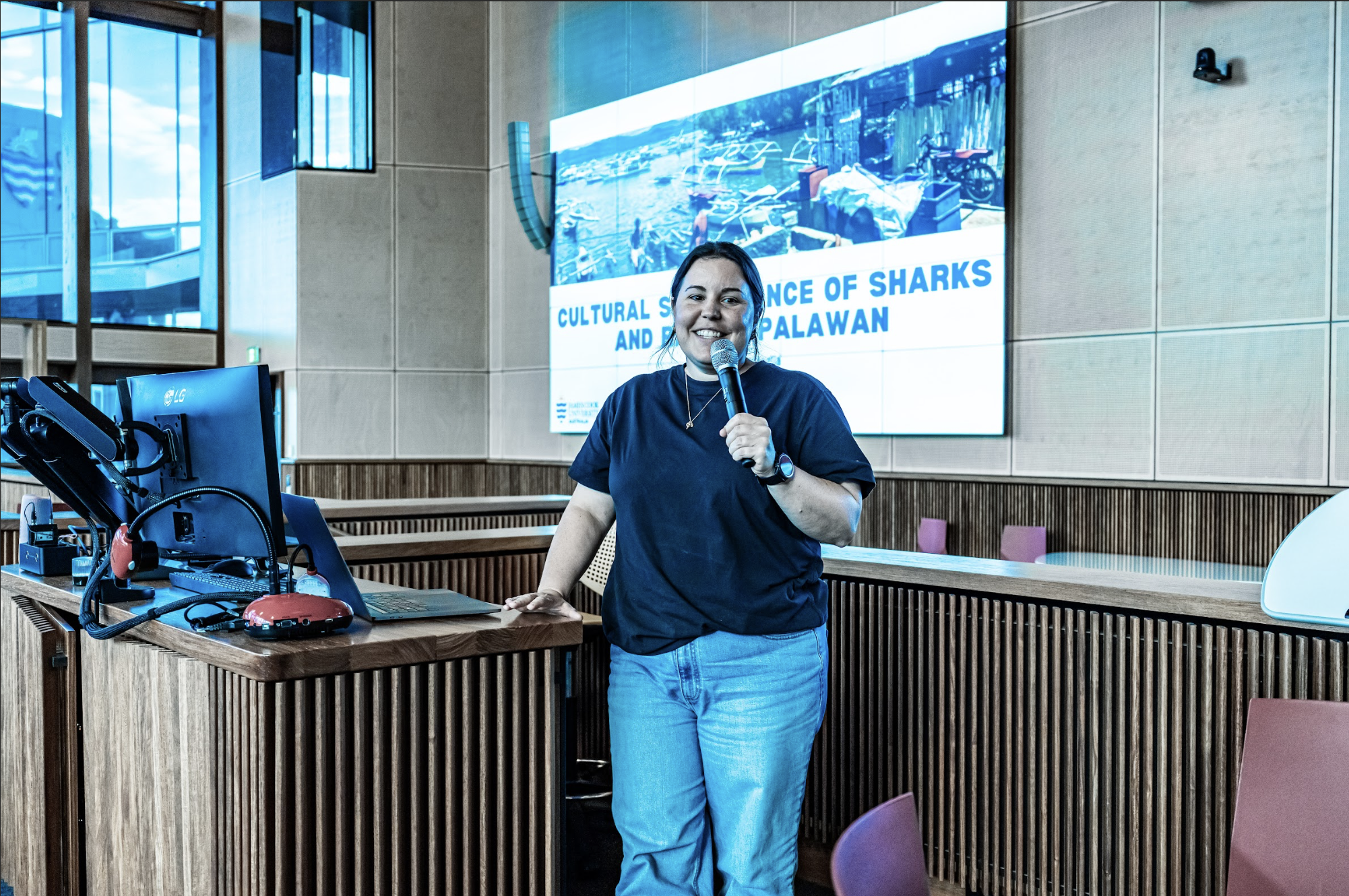
Some highlights from her talk included:
Learning that people-centric science is the backbone of conservation and importance of including all perspectives in decision making
Hearing about her interactions with communities and the lessons she learned about reflexivity, adapting methods, site-specific contexts to conservation, recognizing parachute science, and conducting equitable and sustainable conservation that benefits these communities
Gaining insights into the value of returning to communities and sharing her findings in an accessible way and emphasize the importance of their input
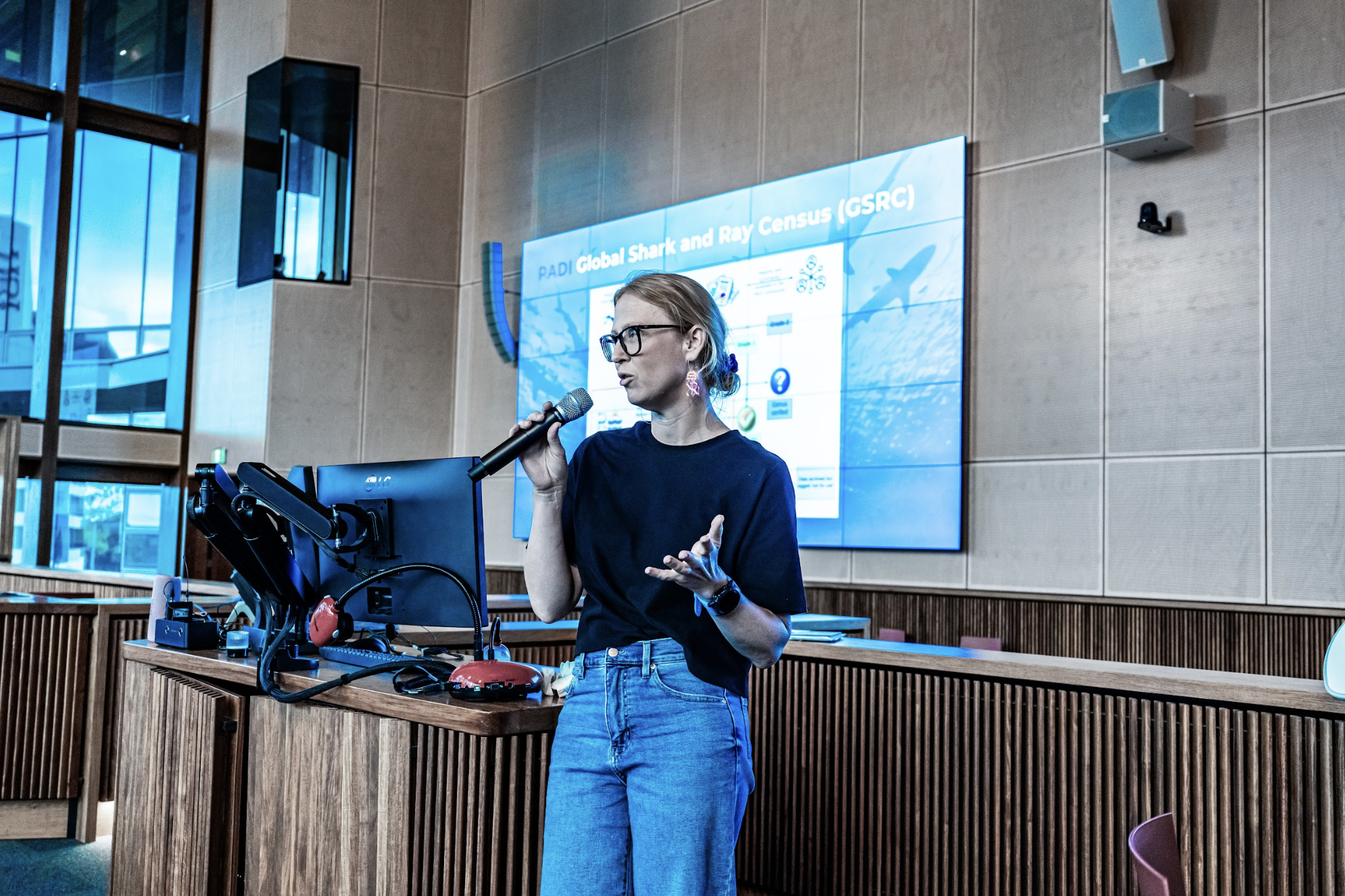
Some highlights from her talk included:
Hearing about the upcoming launch of PADI’s Global Shark and Ray Census app and how the database will contribute to future research efforts
Learning about the role the Fish & Fisheries lab team will play in processing each photograph gets identified and verified
Tested our knowledge on shark and ray identification with an engaging Kahoot trivia activity
If you are interested in becoming a data verifier, contact Eva (eva.mcclure@jcu.edu.au) to join this exciting project!
Thank you again to everyone who was able to attend our final FINstitute meeting of 2025! HUGE thank you to both our speakers Melissa Ciampaglia and Eva McClure for sharing their insightful work with us.